
Conditions
Go from pain to performance.
Proper diagnosis and patient education are key.
From recreational to professional sports people, from eight to eighty years old, physiotherapy plays an important part in getting you back to doing what you love.
Sports Injuries
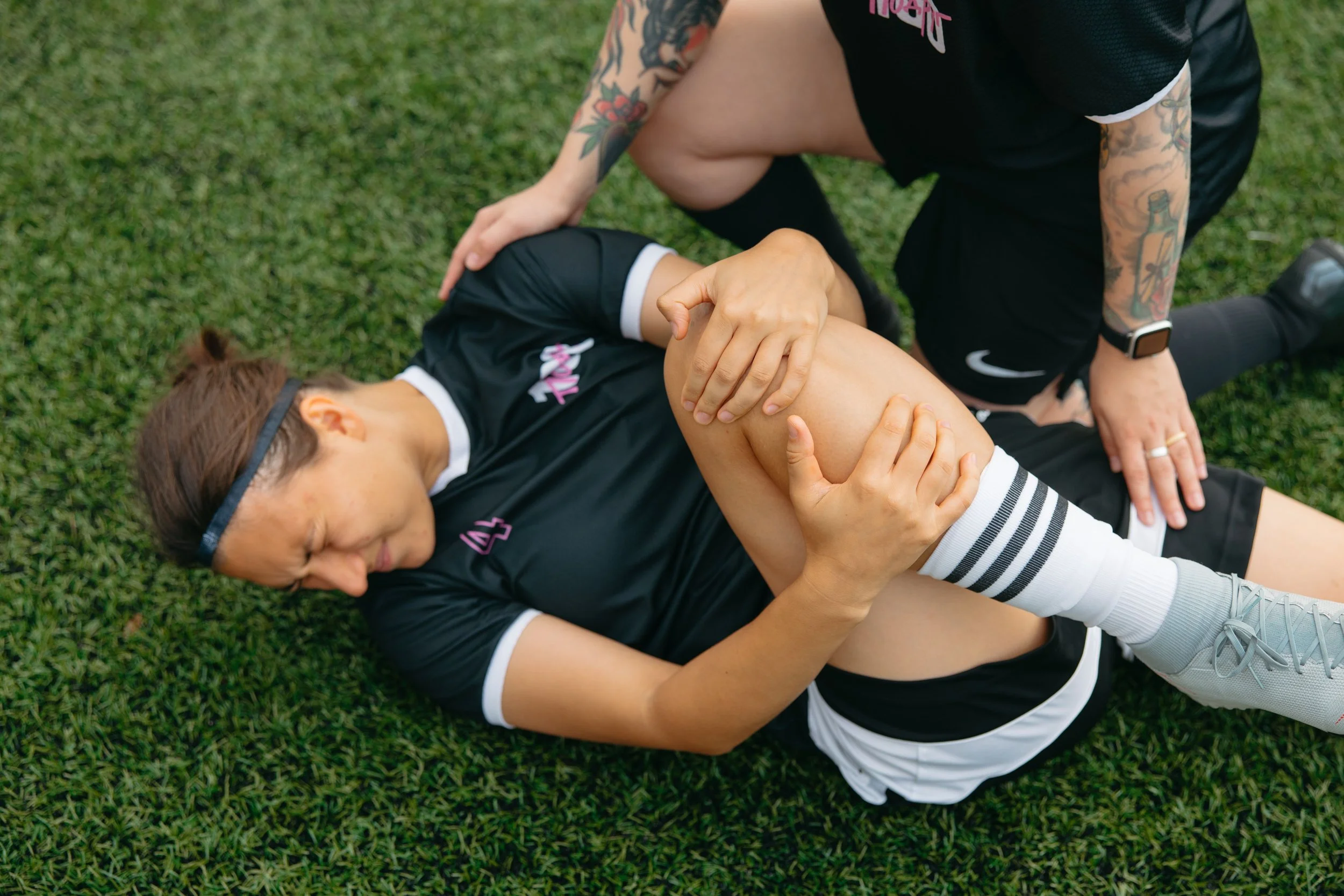
Sports injuries can take you away from doing the things you love most, and impact your performance. They affect people of all ages, from recreational to elite athlete level.
“I see people of all ages in the clinic presenting with sports injuries, and always start with assessment and management of your sport or dance injury with proper diagnosis, advice and a plan for recovery.”
-Mel Turner
Common injuries seen in-clinic:
Shoulder
Rotator cuff tears/muscle tears
Knee
Patellofemoral pain /growing injuries
Ligament tears
Hip
Gluteal tendinopathy
Groin strain
Femoro-acetabular impingement
SIJ problems
Ankle
Sprains
Impingement conditions
Tendinopathies
Achilles/gluteal/patella/rotator cuff
Tennis and golfers elbow
Sports
Dance/Ballet
Netball
Running
Tennis/Pickleball
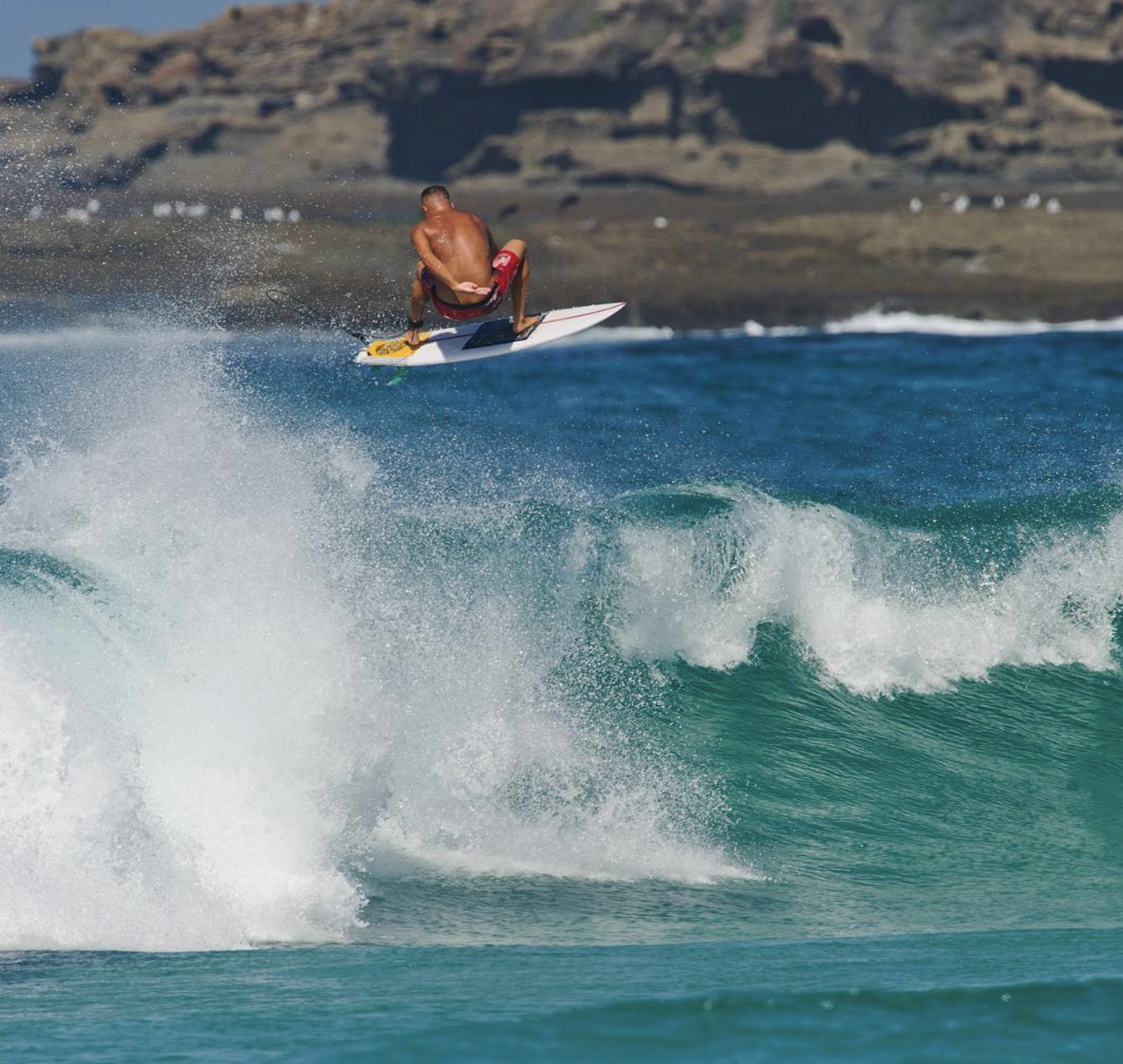
Surfing
Judo
Surf Life Saving
Weightlifting
Pre & Post Surgical Treatment
Whether you have a surgery booked, need help with rehabilitation or are hoping to have a fast recovery, physiotherapy from an experienced therapist qualified in this area, can greatly impact your outcomes.
“I enjoy guiding patients to recover fully with confidence.”
-Mel Turner
Common surgeries that incorporate physiotherapy into your rehab:
Hip and Knee Joint Replacement
Shoulder Surgery
Ligament reconstruction
Cancer Rehabilitation
Fracture rehabilitation
Pain - Joints & Tendons
Why does it hurt?
From tendons and joints being overloaded or sprained, to hurting without really knowing how it happened, if you’ve found yourself unsure how to manage, physiotherapy can help.
It’s most important for patients to be educated about their specific condition and to address the factors that influence pain.
“Just knowing what’s wrong is often the first step to healing. Your pain could be linked to an injury, a condition or a lifestyle habit that needs to change.”
-Mel Turner
Pain from falling, poor posture at work, joint and tendon sprains are commonly seen in-clinic.
Treatment for pain that’s not going away or keeps coming back:
Hands on treatment including massage and joint mobilisation
Acupunture and dry needling
Taping
Braces and supports
Orthopaedic Pillows
Orthotics
Osteoarthritis & Osteoporosis
Osteoarthritis is a chronic disease that affects joints causing significant pain, stiffness, swelling, joint instability and muscle weakness. It commonly affects the hips and knees in the lower limb. Clinical guidelines support the use of exercise in the management and treatment of osteoarthritis.
Osteoporosis is a bone disease that occurs when the structure of the bones become weaker and less dense, making them more prone to fracture.
“I have been successful in helping people manage their osteoarthritis and return to their hobbies or sport without surgery.”
-Mel Turner
Treatment:
Physiotherapy is essential for managing both. For osteoarthritis, the focus is individualised exercises to improve the muscle strength around the joint. Correct exercises improve swelling, pain and function.
For osteoporosis, physiotherapists target muscles to load the bone through strengthening, posture correction, and fall prevention.
One of the differences with personalised physiotherapy is that Mel can provide the right exercises for you as well as current resources to educate patients to improve their condition.